
Schools
Community in mourning after student dies in Sunday morning accident, district says
By Marcus Thompson
Advertisement · Why this ad?
Linda Patel is a seasoned real estate reporter with a Bachelor’s degree in Urban Planning from the University of Texas at Arlington. With over 6 years of experience covering real estate trends in the DFW area, she provides valuable insights into Frisco’s housing market and development projects.
More from Linda →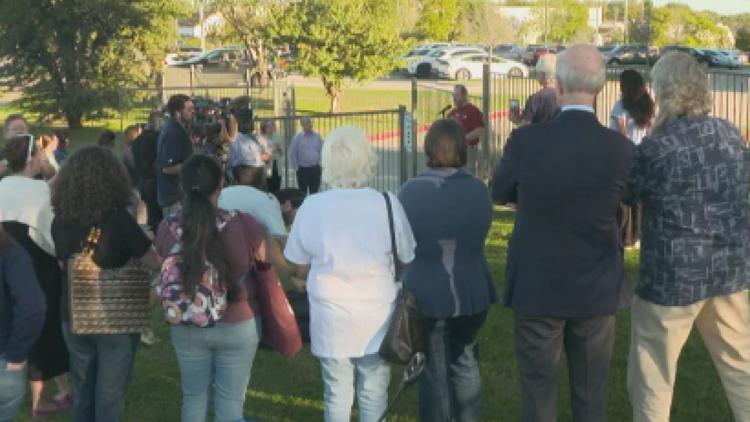
As the sun dipped below the horizon, casting a warm glow over Fort Worth, a crowd of concerned parents gathered at the local community center. They came together, united by a singular purpose: to advocate for their children's education and the future of their schools. Among them was Maria Gonzalez, a mother of three, who spoke passionately about the importance of stability in their educational environment. "We can't let our children's futures be decided in a rush," she urged, her voice echoing the sentiments of many in the room.
Recently, the Fort Worth Independent School District (FWISD) has come under scrutiny as parents have called on the state-appointed board of managers to pause any major decisions regarding campus sales and closures. This plea comes at a critical time as the district navigates potential changes in state leadership, which could significantly impact its governance and direction.
The board, which was appointed by the Texas Education Agency, has been tasked with overseeing the district amid ongoing challenges. Parents are concerned that hasty decisions, particularly regarding the sale or closure of schools, could exacerbate existing issues and negatively affect their children's education. The urgency of their request highlights the intersection of education policy and community stability, as families seek to protect their local schools.
The community's response has been overwhelmingly supportive of the parents' initiative. Local leaders and advocacy groups have rallied behind the movement, emphasizing the need for transparency and careful consideration in decision-making processes. Many parents, like Maria, believe that the board's current trajectory could lead to detrimental outcomes for students and families.
"We need to ensure that our voices are heard and that our kids' education is prioritized over quick fixes," said David Lee, a father of two and a vocal advocate for maintaining school resources. His sentiments were echoed by several attendees, who expressed fears that without a pause, the district might act impulsively, jeopardizing the educational landscape in Fort Worth.
Among the most pressing issues is the potential closure of several underperforming schools. Parents fear that these closures could disproportionately affect low-income neighborhoods, where access to quality education is already limited. The potential loss of these schools could force families to seek alternatives that may not be as accessible or effective.
As the board prepares to make decisions that could reshape the district, community members are advocating for a more inclusive approach. They are calling for public forums and discussions to allow parents, teachers, and students to voice their concerns and contribute to the decision-making process.
The implications of school closures extend beyond the classroom. Many parents worry about the community's social fabric, fearing that school closures could lead to increased instability in neighborhoods already facing economic challenges. Schools often serve as community hubs, providing not just education but also resources and support for families. The loss of these institutions could have a ripple effect, impacting local businesses and services that rely on school traffic and community engagement.
Community activist and local business owner, Sarah Thompson, shared her thoughts: "Schools are the heart of our neighborhoods. When they close, it’s not just about losing a place for kids to learn; it’s about losing a gathering space for families, a source of pride for the community, and a support system that many rely on." This sentiment resonates deeply with many attendees at the community center, where stories of personal connections to local schools were shared.
During the meeting, several parents shared personal stories that illustrated the deep connections families have with their local schools. For instance, Lisa Tran, a mother of two, recounted how her children had formed lifelong friendships at their neighborhood school, which also served as a meeting point for community events and cultural celebrations. "When I think about the possibility of losing that school, I don't just see a building; I see the heart of our community disappearing," she said, her voice filled with emotion.
Another parent, James Rodriguez, spoke about the special programs his daughter benefited from, which are unique to their school and cater to students with diverse learning needs. He expressed concern that if the school were to close, his daughter would lose access to the specialized support she requires. "We need to protect these programs that make a real difference in our kids' lives," he asserted.
Looking ahead, the parents' group plans to continue their advocacy efforts, pushing for a formal request to the board to delay any significant decisions until after the anticipated changes in state leadership. They believe that a pause will provide the necessary time for a thorough review of the district's needs and the potential impact of any closures or sales.
In the meantime, the FWISD board has indicated that they will take the parents' concerns into consideration. However, the timeline for any decisions remains unclear, leaving many families in a state of uncertainty.
As the community gears up for potential changes, parents are organizing additional meetings and outreach efforts to ensure that their voices are amplified. They are working to gather more community support, including petitions and endorsements from local organizations, to strengthen their case for a pause in decision-making.
This situation underscores the vital role that community engagement plays in shaping educational policy. As parents and community members come together to advocate for their children's futures, it is essential that their voices are not only heard but valued in the decision-making process.
As Fort Worth prepares for potential changes, the outcome of this advocacy could set a precedent for how school districts across Texas engage with their communities. The collective effort of concerned parents serves as a reminder of the power of civic engagement and the importance of fighting for a stable, nurturing educational environment.
In conclusion, the call for a pause in major decisions by the FWISD board reflects a broader desire for stability and thoughtful governance in education. As families continue to advocate for their children's futures, the hope is that their collective voices will lead to a more inclusive and supportive educational landscape. This moment presents an opportunity for the FWISD board to demonstrate its commitment to collaboration and transparency, ensuring that all stakeholders have a seat at the table as they navigate the complexities of educational reform.
By Marcus Thompson
By Emily Rivera

By Tanya Bell

By Carl Jensen