Community
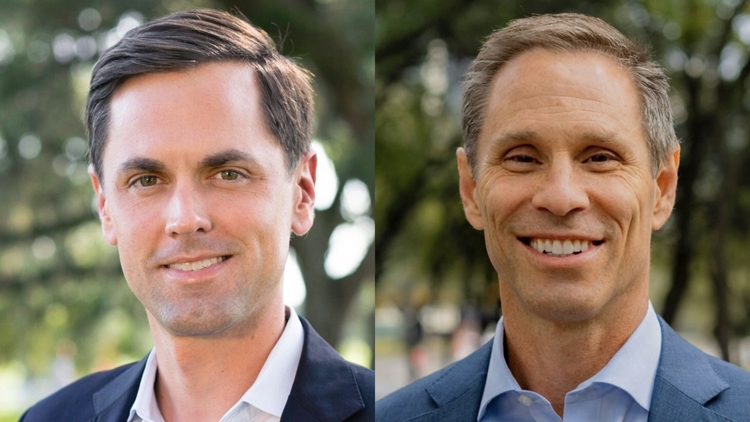
Texas election results: Mayes Middleton, Nathan Johnson vie for Texas Attorney General
By Gregory Moore
Advertisement · Why this ad?
Gregory Moore, a recent journalism graduate from Texas State University, has taken the local journalism scene by storm with his coverage of community events in Frisco over the last 3 years. His work captures the spirit of neighborhood gatherings, celebrations, and cultural events.
More from Gregory →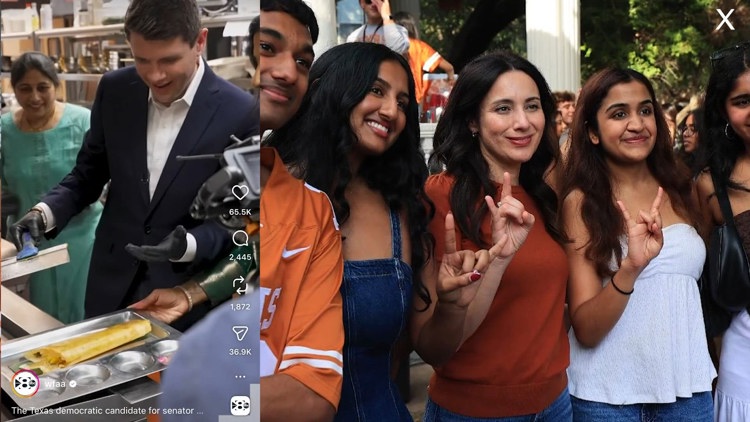
In the heart of Frisco, a vibrant community brimming with South Asian families, the air is thick with determination and resilience. Just last week, at a local community center, a group of parents gathered for a meeting that was less about school lunches and more about standing up against rising anti-immigrant sentiments. Among them was Priya Patel, a mother of two and a passionate advocate for her community. "Hate was on the ballot this election season," she declared, her voice steady yet filled with emotion. As the sun set behind the suburban skyline, it became clear that South Asians in Texas are not just surviving; they are thriving and ready to make their voices heard.
In recent months, the South Asian community in Texas has found itself at a crossroads. The controversy sparked by comments made by local political figure Bo French, who made derogatory remarks about immigrants, ignited a firestorm of responses from community leaders. French's comments were not just a passing remark; they represented a broader narrative that many South Asians find deeply troubling. As a result, the community rallied together, demonstrating their growing political influence in the Lone Star State.
This pivotal moment coincided with the historic election of Texas's first Indian American House member, who has become a beacon of hope for many. The election signified not just a win for representation but also a rejection of the divisive rhetoric that has permeated local politics. The community's response was swift and united, showcasing their commitment to standing against hate.
As Priya Patel noted, "This election was about more than just candidates; it was about our values and our families. We need to ensure our children grow up in a state that respects diversity and inclusion." The sentiments echoed throughout the community as they mobilized to support candidates who align with their vision for a more inclusive Texas.
The response from the South Asian community has been overwhelmingly positive, with many stepping up to take on leadership roles within local organizations. Grassroots movements have sprung up, focusing on voter registration drives and educational campaigns aimed at informing residents about the importance of civic engagement. Local leaders have emphasized that this is just the beginning; they are committed to fostering a political environment that reflects their values.
Community gatherings have become a common sight in Frisco, where residents come together not only to discuss politics but also to celebrate their rich cultural heritage. Events such as Diwali festivals and Holi celebrations have seen increased participation, demonstrating the community's desire to share their traditions while advocating for their rights. As local resident Arjun Mehta put it, "We are proud of our culture, and we want to ensure that everyone knows who we are and what we stand for."
In addition to political activism, many in the South Asian community are working to bridge gaps with other cultural groups in Frisco. Interfaith dialogues and community service projects are becoming more common, as residents recognize the importance of solidarity in the face of adversity. Local organizations, such as the Frisco Chamber of Commerce, have been pivotal in fostering these connections, encouraging collaboration among diverse cultural groups.
These efforts are crucial in countering the narrative that divides communities. By working together, residents can create a more inclusive environment for all. As community leader Neela Sharma stated, "Our strength lies in our diversity. We must come together to ensure that every voice is heard and respected." The impact of these initiatives is already being felt, as more people from various backgrounds join the conversation about what it means to be a Texan.
Local leaders, such as community organizer Ravi Singh, have been instrumental in mobilizing the South Asian community. Singh, who has lived in Frisco for over a decade, recalls the challenges his family faced when they first arrived. "We felt isolated, and it wasn't easy to find our place in a new country. But now, we are actively participating in shaping our community's future," he shared. Singh's efforts have led to the creation of various platforms for dialogue, allowing residents to voice their concerns and aspirations.
Moreover, grassroots movements have been pivotal in empowering young South Asians. Initiatives like the "Youth for Change" program, led by local high school students, focus on educating their peers about the importance of voting and civic engagement. These young leaders are not only passionate about their rights but also about advocating for their parents and elders who may not fully understand the electoral process. One participant, 17-year-old Aisha Khan, expressed, "I want to ensure that my parents' voices are heard, and I believe we can make a difference together. This is our home, and we need to protect it."
Looking ahead, the South Asian community in Frisco is poised to continue its momentum. With the recent election serving as a catalyst for change, many are already strategizing for future elections. Voter education programs are being developed to ensure that community members understand the electoral process and their rights as citizens. Additionally, local leaders are working to establish mentorship programs that will empower the next generation of South Asian leaders.
As Priya Patel emphasized, "We need to invest in our youth. They are the future of our community, and we must equip them with the tools they need to succeed." The commitment to fostering strong, engaged families is evident in the plans being laid out. Community members are rallying behind initiatives that promote education, civic responsibility, and family values.
Moreover, there is a growing sense of urgency to address issues that disproportionately affect immigrant families, such as access to healthcare and education. Local organizations are advocating for policies that create equitable opportunities for all families in Frisco. The dedication to creating a supportive environment for families reflects the shared values of the South Asian community.
Personal stories from community members highlight the significance of these movements. For instance, Anjali Rao, a small business owner in Frisco, shared how the recent political climate has affected her business. "I have faced hostility from customers who believe I don't belong here. But I refuse to be silenced. My store is a representation of my culture, and I will continue to serve my community," she said. Rao's determination exemplifies the resilience of many in the South Asian community who are standing up against hate.
The community's collective actions are not just about resisting negativity; they are about fostering a positive narrative around immigration and diversity. By sharing their stories and experiences, they aim to educate others and dispel myths that often surround immigrant communities. This proactive approach is crucial in reshaping perceptions and building a more inclusive society.
As the South Asian community in Frisco continues to grow and evolve, one thing remains clear: they are here to stay, and they are ready to make their voices heard. The recent political developments have galvanized a community that is rich in culture and tradition, yet fiercely committed to the principles of inclusion and respect. With their eyes set on the future, residents like Priya Patel and Arjun Mehta are determined to ensure that their children inherit a Texas that celebrates diversity and stands against hate.
In this ever-changing political landscape, the South Asian community serves as a powerful reminder of the strength found in unity. As they navigate the complexities of civic engagement, they do so with a shared purpose: to build a brighter future for all Texans. The journey is just beginning, but with their unwavering spirit and commitment to family values, the South Asian Texans are ready to lead the way.
By Gregory Moore
By Gregory Moore

By Gregory Moore

By Gregory Moore