Sports
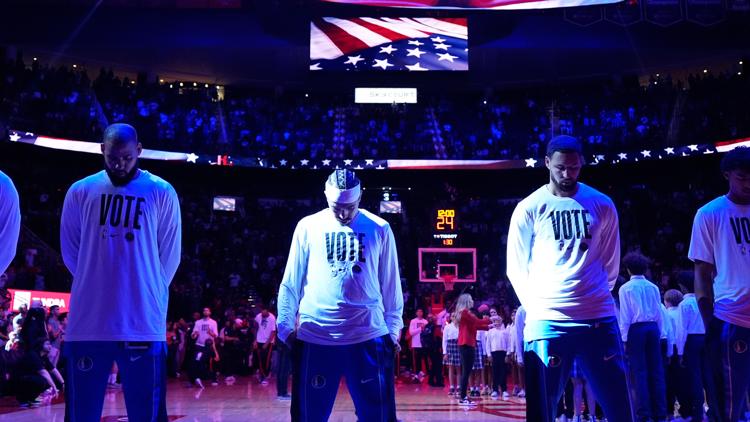
Why are there no NBA games on Election Day?
By Jasmine Chen
Advertisement · Why this ad?
Jasmine Chen has covered local high school sports for over 7 years and is a graduate of Texas A&M University. Previously working with a local NPR affiliate, she has a love for storytelling that captures the dreams and challenges of young athletes. Her articles showcase the heart and hustle that define Frisco's youth sports community.
More from Jasmine →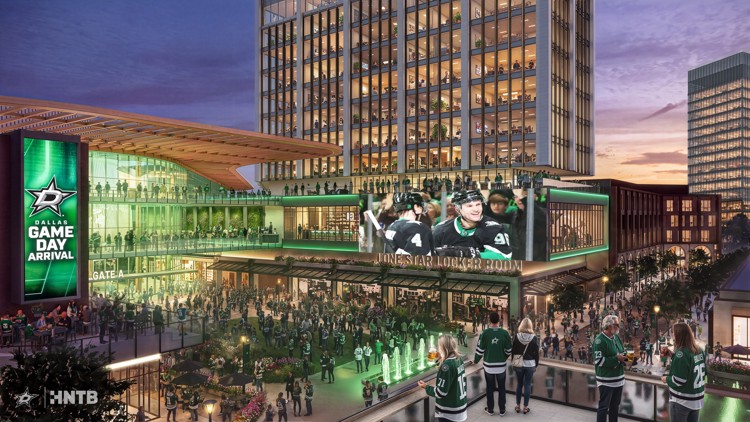
On a crisp autumn evening in Frisco, Texas, the air buzzed with anticipation as residents gathered at local polling places. Families, friends, and neighbors exchanged friendly banter, all while clutching their ballots, ready to make a decision that could shape the future of their community. Among the ballot items was a pivotal referendum that could pave the way for a new Dallas Stars arena, and with it, the promise of growth and excitement for the area.
On election day, Plano voters faced a significant decision: whether to approve a referendum that would allow the city to implement new taxes to fund up to $700 million, the city's share of a new hockey arena for the Dallas Stars. This proposal, while ambitious, represents a critical investment in the local economy and community spirit. The results of this referendum could potentially redefine the sports culture in Frisco and surrounding areas, bringing in not just hockey games but also concerts, events, and a renewed sense of pride.
The Dallas Stars, a beloved NHL team, have been a staple of Texas sports culture since their inception in 1967. The proposed arena would not only serve as a home for the Stars but also as a multi-purpose venue that could host a variety of events, making it a hub of activity in the region. This multi-functionality is essential for maximizing the arena's impact on the local economy, as it could attract a diverse range of events, from concerts to community gatherings.
The decision to pursue this new arena is rooted in a broader vision for Frisco and its surrounding communities. Over the years, Frisco has transformed from a small town into a vibrant city, attracting families and businesses alike. The city’s growth has been fueled by a commitment to fostering strong community values, and this referendum is seen as a continuation of that tradition.
Local leaders emphasize that the arena could create thousands of jobs, boost tourism, and enhance the quality of life for residents. As families gather for games and events, they contribute to the local economy, supporting restaurants, shops, and other businesses in the area. For many, this is not just about hockey; it's about building a community where families can thrive together.
During the campaign leading up to the election, voices from the community echoed the importance of the new arena. “This isn’t just about sports; it’s about what we can build together as a community,” said Mayor Jeff Cheney during a rally. “The Dallas Stars have been a part of our culture, and this arena will solidify our commitment to keeping that spirit alive.”
Residents shared their hopes and concerns about the referendum. Many families expressed excitement about the potential for new job opportunities and the chance for their children to experience live sports events. “I want my kids to grow up in a place where they can enjoy sports and be part of something bigger,” said local parent Maria Gonzalez, who attended a town hall meeting to discuss the referendum.
Additionally, local business owners have voiced their support. “A new arena means more foot traffic, which is vital for our shops and restaurants,” noted Jake Thompson, owner of a popular local café. “We need to invest in our community’s future, and this arena could be a game-changer for us.”
Frisco’s economy has been on an upward trajectory for years, and the proposed arena is expected to further bolster that growth. The estimated $700 million investment is a significant one, but city officials believe it will pay dividends in terms of job creation and increased revenue. According to reports, the arena could generate millions in tax revenue, which could be reinvested into the community.
In addition to the direct economic benefits, the arena is projected to attract visitors from outside the area, leading to increased business for local hotels, restaurants, and retailers. The ripple effect of such an investment could be felt throughout Frisco, creating a vibrant atmosphere that draws families and sports enthusiasts alike. Local tourism organizations are already preparing for the influx of visitors, with plans to promote Frisco as a destination for sports and entertainment.
Moreover, the city is exploring potential partnerships with local schools and organizations to create programs that encourage youth engagement in sports. “We want to ensure that this arena serves as a platform for our young athletes,” said Frisco Independent School District Superintendent Dr. Mike Waldrip. “It’s about more than just hockey; it’s about inspiring the next generation to pursue their dreams.”
While the vision for a new Dallas Stars arena is exciting, it is not without its challenges. Some residents have raised concerns about the potential tax implications and whether the investment will truly benefit the community in the long run. “We need to ensure that this isn’t just a short-term fix but a sustainable solution for our city,” commented local resident Tom Harris during a community forum.
City leaders have acknowledged these concerns, promising transparency and accountability in the financial planning process. They emphasize that the new taxes would be carefully structured to minimize the impact on families while still providing the necessary funding for the arena. The hope is that by working together, the community can find a solution that meets everyone’s needs.
To address these concerns, the city has committed to holding regular forums and meetings to keep residents informed and engaged in the process. “We want to hear from the community every step of the way,” said Mayor Cheney. “This is not just a project for the city council; it’s a project for all of us.”
As the votes were counted and the community held its breath, the future of the proposed Dallas Stars arena hung in the balance. Regardless of the outcome, the conversations sparked by this referendum have already begun to strengthen community ties. Families are coming together to discuss the potential benefits and challenges, fostering a sense of unity and shared purpose.
The decision made by Plano voters will undoubtedly have far-reaching implications for Frisco and the surrounding areas. If approved, the new arena could become a landmark of community pride, a place where families gather to cheer on their team and create lasting memories. If not, the discussions around the arena will continue, as residents seek alternative ways to enhance their community and support local sports.
In the end, this referendum is more than just a vote on a new arena; it’s a reflection of Frisco’s commitment to growth, family values, and the American dream of a thriving community where everyone can come together to celebrate life’s moments. The outcome will set the stage for future developments in Frisco and could redefine the landscape of sports and entertainment in the region.
By Jasmine Chen
By Lindsey Harper
By Lindsey Harper
By Rafael Gonzalez