
Community
North Texas man dead following auto-bicyclist accident, police say
By Gregory Moore
Advertisement · Why this ad?
Gregory Moore, a recent journalism graduate from Texas State University, has taken the local journalism scene by storm with his coverage of community events in Frisco over the last 3 years. His work captures the spirit of neighborhood gatherings, celebrations, and cultural events.
More from Gregory →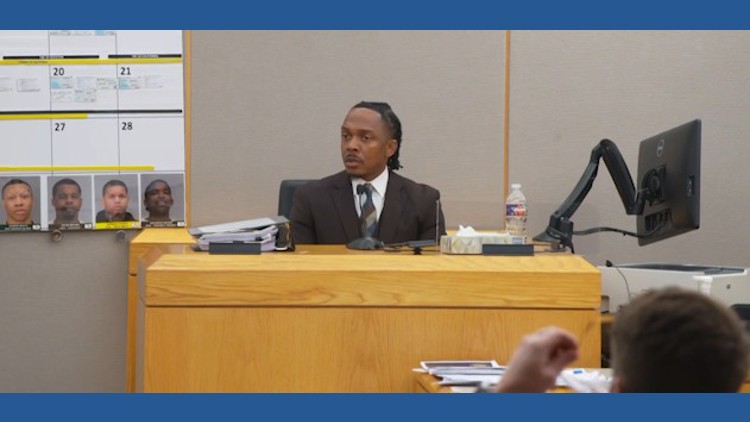
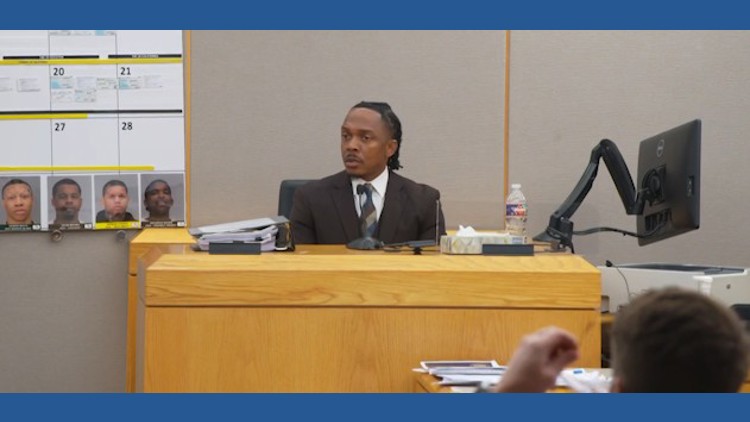
It was a grey morning in November 2020 when the news hit the streets of Dallas like a thunderclap: beloved rapper Mo3 had been shot and killed on the I-35 freeway. The shockwaves reverberated through the community, leaving fans and fellow artists grappling with the loss of a vibrant talent who had captured the hearts of many. Fast forward to today, and the trial surrounding the murder of Mo3, whose real name is Melvin Noble, has brought renewed attention to the case. This week, a lead detective from the Dallas Police Department took the stand, recounting the harrowing details of that fateful day and the extensive investigation that followed.
On the morning of November 11, 2020, Mo3 was shot while driving on the freeway, a tragedy that sent shockwaves throughout the Dallas music scene. The lead detective, who has been with the Dallas Police Department for over a decade, shared his firsthand experience of discovering the scene. He vividly described arriving at the location and witnessing the aftermath of the shooting, a grim reminder of the violence that can erupt in our communities.
During his testimony, the detective detailed the initial steps taken by law enforcement, including securing the crime scene and gathering evidence. He emphasized the importance of preserving the scene to ensure a thorough investigation, noting that each piece of evidence could be critical in bringing justice for Mo3 and his family.
The detective also spoke about the emotional toll the case took on him personally. "As a homicide detective, you become accustomed to the harsh realities of life and death, but this case hit differently. Mo3 was loved by many, and his death was a significant loss to the community," he said, his voice reflecting the weight of the memories.
The murder of Mo3 resonated deeply within the Dallas community, particularly among his fans and fellow artists. Many took to social media to express their grief, sharing memories and tributes to the rapper who had inspired them with his music. The emotional outpouring highlighted not only the impact of Mo3's artistry but also the broader issues of violence and loss that plague many communities.
Local artist and friend of Mo3, who asked to remain anonymous, shared, "He was more than just a rapper; he was a voice for those who felt unheard. His music spoke to our struggles and dreams. Losing him felt like losing a part of ourselves." This sentiment was echoed by countless fans who gathered for memorials and vigils, lighting candles and sharing stories of how Mo3's music had touched their lives.
In the aftermath of the tragedy, many community leaders and organizations rallied together to support Mo3's family and raise awareness about the violence affecting the area. Local nonprofit organizations, such as The Dallas Foundation, have been working tirelessly to provide resources and support for families affected by violence. Their efforts highlight the importance of community solidarity in the face of adversity.
As the trial unfolds, the community continues to hold its breath, hoping for justice not just for Mo3 but for all who have been impacted by violence. The detective's testimony serves as a reminder that behind every statistic and headline, there are real people—families, friends, and communities—grappling with loss.
The impact of Mo3's murder extends beyond his immediate circle of friends and family. Local businesses, particularly those within the music and entertainment industry, have felt the tremors of this tragedy. Venues that once hosted his performances have reported a decline in attendance, as fans mourn the loss of their favorite artist. The music scene in Dallas, which has seen a surge in talent and creativity in recent years, now grapples with the fear of violence overshadowing artistic expression.
Moreover, discussions surrounding gun violence and its effects on the community have gained momentum. Community forums have been organized, bringing together residents, activists, and law enforcement to address these pressing issues. Local leaders emphasize the need for preventive measures and educational programs aimed at youth, hoping to steer them away from a path of violence.
As the trial progresses, many are left wondering what the future holds for the case and the community. The detective's detailed account of the investigation provides a glimpse into the complexities of homicide cases, shedding light on the challenges law enforcement faces in seeking justice. With each testimony, the hope for closure grows stronger.
Community members are encouraged to stay engaged and informed, as the trial continues to unfold. Local organizations are hosting forums and discussions to address the broader issues of violence in the community and explore ways to foster healing and unity. The importance of open dialogue cannot be overstated, as it allows for collective healing and understanding.
In addition to the legal proceedings, the community is also focused on long-term solutions. Initiatives aimed at reducing violence, such as mentorship programs and youth outreach, are gaining traction. Local schools, including those under the Dallas Independent School District, are incorporating discussions about conflict resolution and emotional intelligence into their curriculums, hoping to equip students with the skills needed to navigate difficult situations peacefully.
Furthermore, Mo3's family has expressed a desire for his legacy to be one of hope and change. They are actively involved in community outreach programs that promote peace and understanding among youth. Their efforts include hosting workshops that focus on the importance of communication and non-violence, aiming to inspire the next generation to choose a different path.
In the words of the lead detective, "Justice is not just about the court's decision; it's about the community coming together to support one another and ensuring that we learn from these tragedies." As Frisco and the greater Dallas area continue to grapple with the repercussions of violence, the collective strength of the community will be vital in moving forward. The memory of Mo3 serves as both a reminder of the fragility of life and a rallying cry for change, urging the community to unite in the face of adversity and work towards a brighter future.
As the trial continues, it is essential for community members to remain vigilant and proactive. Local leaders are advocating for increased funding for community programs that address the root causes of violence, including poverty, lack of access to education, and mental health resources. The hope is that by investing in the community, they can create a safer environment for everyone.
In conclusion, the trial of Mo3's murder is not just a legal proceeding; it is a pivotal moment for the Dallas community. It is a chance for reflection, healing, and ultimately, transformation. The community's response to this tragedy will shape its future, and the collective efforts to honor Mo3's legacy will be instrumental in fostering a culture of peace and resilience.
By Gregory Moore

By Gregory Moore
By Gregory Moore
By Gregory Moore