
Community
New CEO to lead Toyota Motor North America
By Gregory Moore
Advertisement · Why this ad?
Gregory Moore, a recent journalism graduate from Texas State University, has taken the local journalism scene by storm with his coverage of community events in Frisco over the last 3 years. His work captures the spirit of neighborhood gatherings, celebrations, and cultural events.
More from Gregory →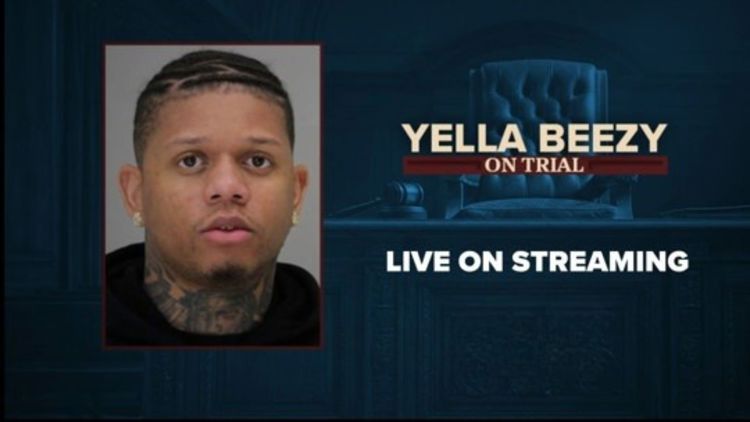
As the sun peeked over the horizon in Frisco, Texas, the courtroom buzzed with anticipation. Families, friends, and community members filled the benches, all eyes on the proceedings surrounding the trial of Dallas rapper Yella Beezy, born Markies Conway. The air was thick with tension as the seventh day of testimony unfolded, revealing a story that has gripped the community and raised questions about violence, rivalry, and the consequences of a life in the spotlight.
The trial centers on allegations that Yella Beezy orchestrated a hit on rival rapper Mo3, whose real name was Melvin Noble, in a violent confrontation that occurred in Dallas back in 2020. Prosecutors are determined to present a case that showcases not only the events leading up to the murder but also the implications of gang-related violence in the music industry. They argue that this was not merely a random act of violence but a calculated decision stemming from a rivalry that had been brewing for some time.
As the courtroom drama unfolds, witnesses have begun sharing their accounts, painting a vivid picture of the circumstances surrounding Mo3's death. Testimonies have included details about the night of the shooting, alleged threats, and the climate of fear that has permeated the local rap scene. The stakes are high, both for the families involved and for the community that is grappling with the ramifications of such violence.
Yella Beezy's defense team is working diligently to counter the prosecution's narrative. They aim to establish reasonable doubt, arguing that the evidence presented does not conclusively link their client to the crime. As the trial progresses, both sides prepare for a battle of wits, and the community watches closely, hoping for justice and clarity in a case that has left many questions unanswered.
The trial has sparked a wave of reactions across Frisco and the broader Dallas area. Many in the community are not only concerned about the legal implications but also about the cultural impact of such violence in the music scene. Local residents have taken to social media, expressing their fears and frustrations over the ongoing cycle of violence that seems to plague the industry. Some have called for a reevaluation of how rap culture is perceived and the narratives that often glorify conflict.
“It’s heartbreaking to see our local artists caught up in this,” said local resident and music enthusiast, Michelle Parker. “We want to celebrate our talent, but it’s overshadowed by these tragic events.” Her sentiments resonate with many who feel that the music community needs to come together to promote peace rather than perpetuate a cycle of violence.
In response to the trial and its implications, community leaders and activists are stepping up to advocate for change. Organizations such as the Dallas City Council and local nonprofits are working to create initiatives aimed at fostering dialogue about violence in the music industry. They are hosting forums and workshops to engage young artists in discussions about conflict resolution and the importance of community support.
“We need to break this cycle,” said community activist Jamal Robinson. “It’s about showing our youth that there’s more to life than violence and that they can use their voices for positive change.” His organization is focused on mentoring young artists and providing them with the tools to navigate the challenges of the music industry without resorting to violence.
The impact of Mo3's murder and the subsequent trial extends far beyond the courtroom. Families are left to grapple with the emotional toll of losing a loved one to violence, and the community is left to deal with the repercussions of such acts. The families of both Mo3 and Yella Beezy are enduring immense pain, as they navigate the complexities of grief, loss, and public scrutiny.
“It’s a tragedy for both sides,” said local pastor Samuel Johnson. “We must remember that behind these headlines are real people, real families who are suffering. Our community needs to come together to heal.” His words resonate deeply in a community that values strong family ties and authentic relationships.
As the trial continues, the focus remains on the families involved. Support groups have emerged, providing a safe space for those affected by violence to share their stories and find solace in one another. These gatherings are crucial in fostering healing and rebuilding trust within the community.
The emotional toll is compounded by the public nature of the trial, which has drawn significant media attention. Family members of Mo3, including his mother, have been vocal about their pain, attending each day of the trial to seek justice for their son. “Every day is a reminder of what we lost,” she shared during a recent interview. “We hope that this trial will bring some peace to our family.” Their presence in the courtroom serves as a poignant reminder of the human cost of violence, emphasizing the need for compassion and understanding.
As the trial progresses, the community is left wondering what the future holds. Will justice be served for Mo3, and what will the outcome mean for Yella Beezy? More importantly, what lessons can be learned from this tragedy to prevent similar incidents in the future?
Local leaders are calling for a united front, urging the community to come together to address the root causes of violence. Initiatives aimed at youth engagement, mentorship, and cultural understanding are being prioritized to ensure that the next generation of artists can thrive without fear of violence.
“This is a pivotal moment for our community,” said Frisco Chamber of Commerce President, Linda Martinez. “We have the opportunity to turn this tragedy into a catalyst for change. Let’s use our voices to uplift one another and create a culture of respect and support.” Her message is clear: the time for action is now, and the community must rally together to promote a safer environment for all.
The road ahead may be challenging, but the resilience of the Frisco community shines through. As they navigate the complexities of this trial and its implications, residents remain hopeful that justice will prevail and that their community will emerge stronger.
As we look ahead, it’s essential to remember the importance of family, faith, and commitment to one another. The values that bind the Frisco community together will be crucial in moving forward from this tragedy, ensuring that love and unity triumph over violence.
In the aftermath of the trial, community leaders are also considering long-term strategies to address the culture of violence within the music industry. Educational programs in local schools are being proposed to teach students about conflict resolution and the power of positive expression through art. “We want to empower our youth with the tools they need to succeed without resorting to violence,” said educator and community advocate, Lisa Tran. “Music should be a platform for expression, not a battleground.”
Moreover, discussions are underway to create mentorship programs that connect aspiring young artists with established musicians who can guide them through the complexities of the industry. This initiative aims to build a supportive network that fosters creativity while steering clear of the pitfalls that can lead to violence. “Having a mentor can make all the difference,” added Tran. “It’s about building relationships that uplift and inspire.”
As the Frisco community reflects on the events surrounding the trial, there is a collective hope that this moment can serve as a turning point. By prioritizing dialogue, education, and support, residents believe they can create a safer environment for future generations of artists.
By Gregory Moore
By Gregory Moore
By Gregory Moore
By Gregory Moore